Today, who can tell who Raymond Hains is “the “Hains” ‑graspable, the “Hains” ‑locatable, the “Hains”‑bearable, the “Hains”‑satisfied,” as his friend Pierre Restany called him; “Raymond the abstract,” as Guy Debord nicknamed him; or even “the teaser of criticism,” as he dubbed himself in the early 1960s? Yet one day we will have to give Caesar what belongs to Caesar, and to Hains what belongs to him: namely, among other things, that incredible ability to memorize and interconnect words and objects wherever they appear.
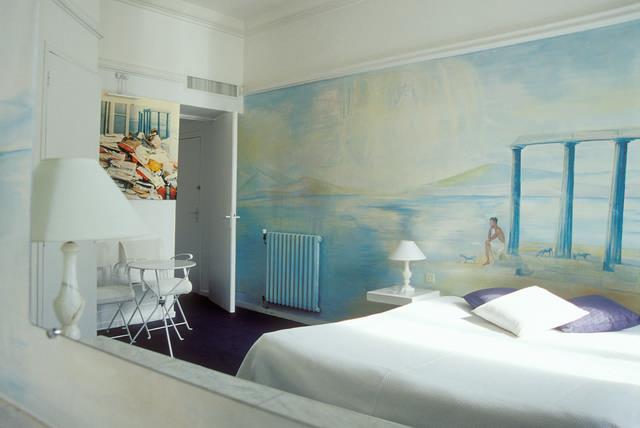
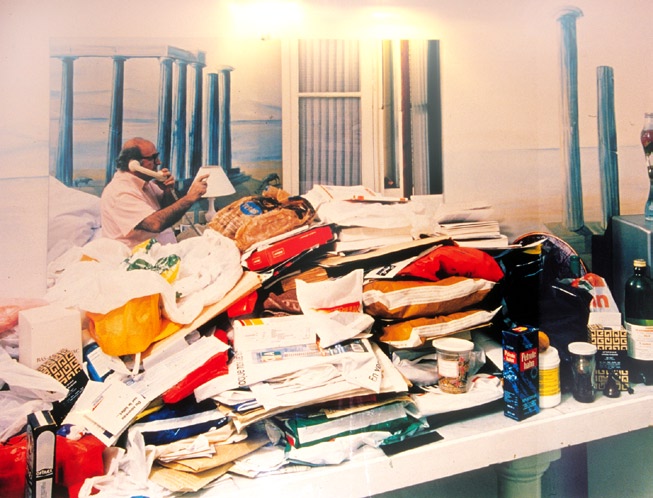
From his very first photographic exercises (rayograms and photograms) in Emmanuel Sougez’s studio in 1946 to the photoconstats exhibited at the Fondation Cartier in 1986, Raymond Hains never ceased to use photography. Through it, he helped break down the walls that, even today, sometimes separate photographers from visual artists. In the same way that, in the 1940s and 1950s, he appropriated torn posters, metal sheets, or fences, the use of photography was also for him a means of simply questioning the traditional categories of the studio, of subject, and of author.
Guy Tortosa